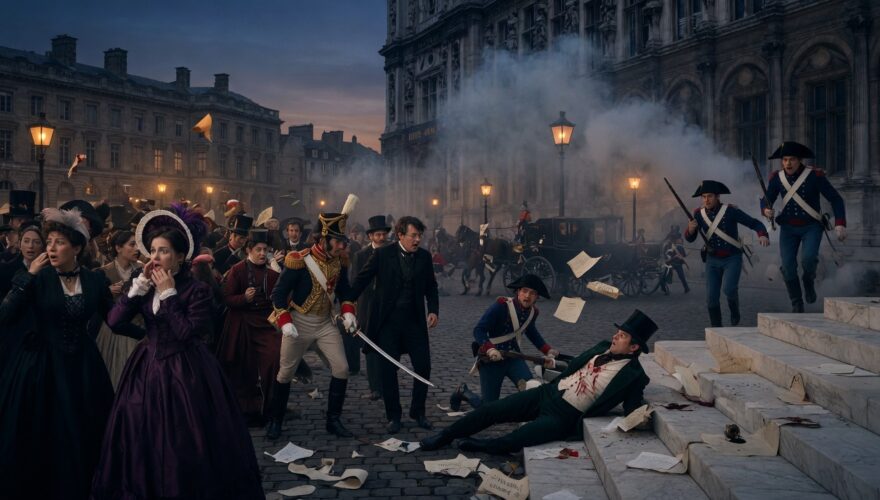
The shot rings out, and for a second everything freezes.
A leader drops. Guards lunge forward. Blood spreads on stone, silk, or asphalt. Somewhere in the crowd, someone is already whispering that history has changed forever. It is a powerful illusion.
The Illusion of One Fatal Moment
Assassinations feel like turning points because they are intimate, sudden, and terrifying. They happen in a heartbeat, yet the damage seems large enough to tilt an entire age. But most of the time, the killing of one person does not alter the course of history as much as people expect. It shocks a nation. It creates grief, outrage, revenge, and myth. Sometimes it even speeds events already in motion. But very rarely does it truly redirect the deeper current.
A knife can remove a man. It cannot easily remove the system around him.
History is full of rulers, reformers, and revolutionaries who died violently. Julius Caesar was stabbed by senators who believed they were saving the Roman Republic. Abraham Lincoln was killed at the moment the United States was trying to stitch itself back together after civil war. Archduke Franz Ferdinand was murdered in Sarajevo, and Europe slid into catastrophe. Martin Luther King Jr. was assassinated, and the movement he led lost its most gifted voice.
At first glance, these deaths look like proof that assassination matters. And sometimes it does. But look closer, and a harder truth appears.
The assassin usually strikes the face of power, not its bones.
They Kill the Face, Not the System
The people who plan these killings almost always believe one life holds the weight of a nation. They imagine that once the target is gone, confusion will follow, then collapse, then a new order of their choosing.
Join The Archive Briefing
Weekly dispatches. The history they didn't teach you — sourced, subverted, delivered to your inbox.
That almost never happens.
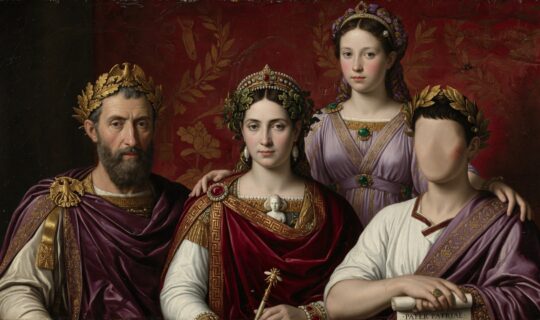
When Caesar fell beneath the blades of Brutus and the others in 44 BC, the conspirators thought they had rescued Rome from tyranny. Instead, they gave Caesar’s allies a martyr and his heir, Octavian, a reason to seize power with cold efficiency. The republic did not return. It bled out in the streets, while the murderers watched their dream turn into an empire.
That is the pattern in miniature.
Take Lincoln. His death in 1865 did not end Reconstruction, nor did it erase the Union victory, nor did it restore the world the Confederacy had lost. It did something stranger and more durable. It transformed Lincoln from a president into a symbol. The nation did not change direction. It sanctified the man who had been taken away.
The same thing happened over and over. The assassin acts as if removing one head will stop the body. But governments, movements, armies, and revolutions are not held together by a single pulse. They have institutions, generals, deputies, laws, habits, and ambitions. If one man falls, another steps into the gap. Sometimes the replacement is worse. Sometimes he is colder, more ruthless, and more capable.
Assassination often does not end power. It rearranges it.
And then there are the cases where the killing seems to matter more than it really did.
The Match Was Not the Fire
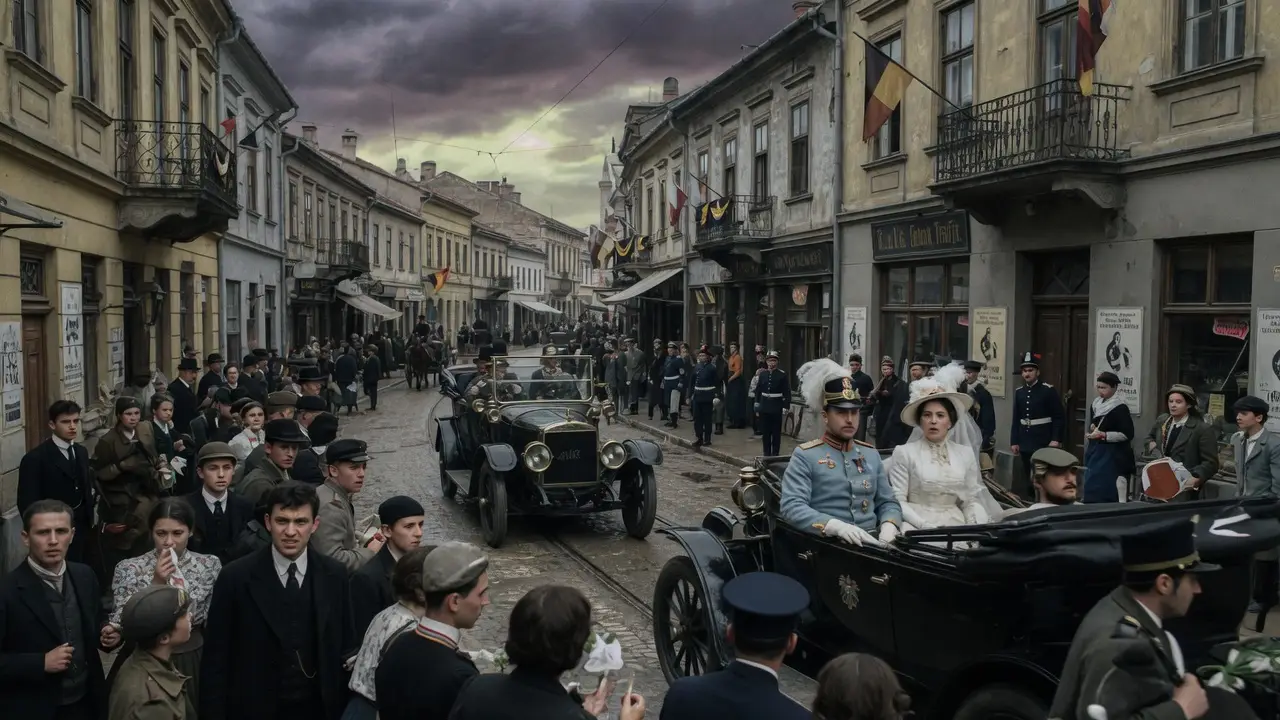
On June 28, 1914, Gavrilo Princip shot Archduke Franz Ferdinand in Sarajevo. That murder has been cast as the spark that lit the First World War. In one sense, that is true. In another, it oversimplifies history into a single dramatic scene.
Europe in 1914 was already a room full of gas fumes. Empires mistrusted each other. Mobilization plans were rigid. Nationalism was burning hot. Military alliances had turned a regional crisis into a potential continent-wide disaster. The assassination did not invent that instability. It merely gave it a match.
That is the cruel truth about assassinations. They often look decisive only because the world beneath them was already cracked.
The real turning point comes when people confuse cause with trigger.
A trigger can be dramatic. It can be unforgettable. It can even be historically famous. But a trigger is not the same thing as the machinery it sets off.
That is why assassinations so often fail to deliver what their perpetrators imagine. They strike at the visible person, not the hidden structure. They kill the messenger of a system and assume the message will die with him.
It rarely does.
Even when a death changes the mood of a nation, the underlying forces usually remain. Public anger hardens. Security tightens. Followers radicalize. Opponents exploit the killing. The state responds, often with more force than before. In the aftermath, the assassin may have created not a new world, but a more dangerous version of the old one.
That is why some assassinations backfire so badly. The death becomes a banner. The dead leader becomes untouchable in memory, which can be even more powerful than being alive. In politics, a martyr can be more useful than a statesman.
So why do people keep believing that assassination can change history?
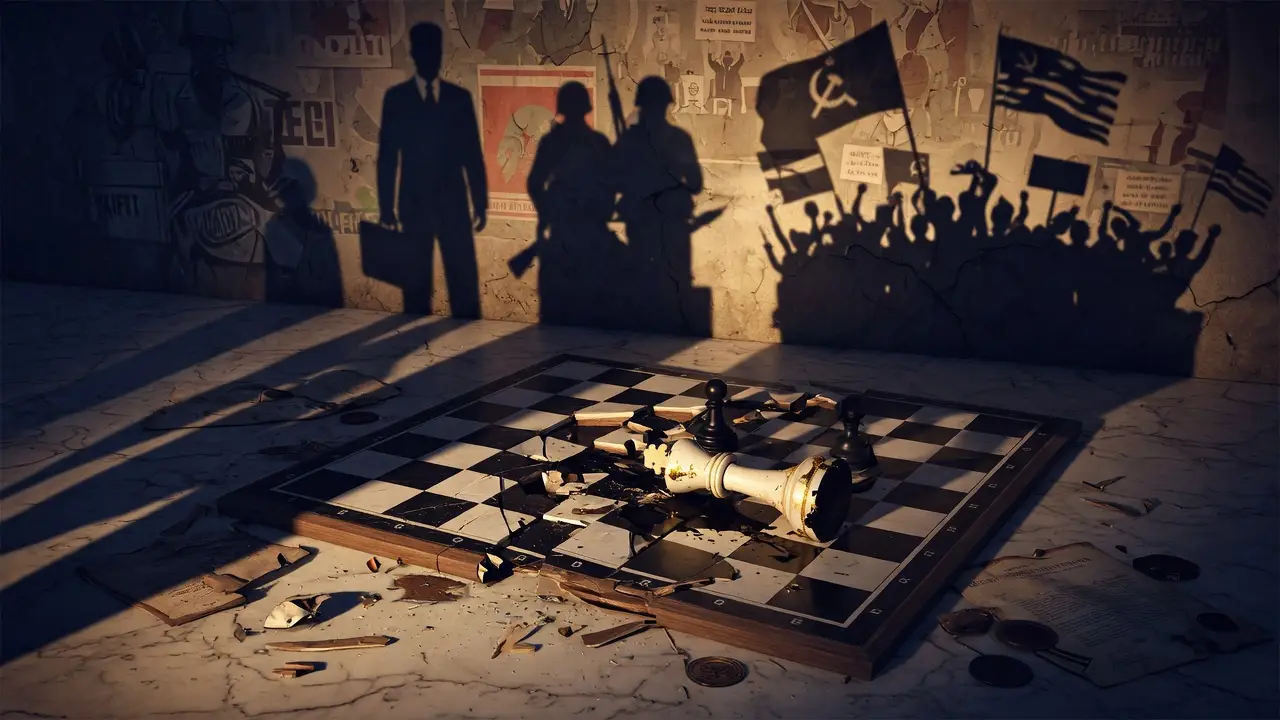
Because it sometimes changes the people who remain.
History Is Larger Than One Heartbeat
Fear spreads faster than ideas. Grief can stiffen resolve. Rage can push governments into reckless decisions. A dead leader can freeze an argument and elevate one side of it. One murder can deepen a crisis already underway, or remove the one person who might have managed a compromise.
But that is not the same as saying assassination creates history from nothing.
It usually does not.
The deeper forces keep moving. Economic pressures remain. Armies still march. Laws still exist. Rivalries do not vanish because one man was shot in a carriage or ambushed on a stage. The world mourns, blames, and swears it will never be the same, yet the broad shape of events often survives the blow.
That is why assassinations almost never change history in the way people expect. They can accelerate, intensify, and distort. They can crown martyrs and unleash chaos. They can make one path faster than another. But they seldom create a new age on their own.
History is larger than a single heartbeat.
A bullet can silence a man. It cannot easily silence the forces that made him matter in the first place.